
Efficient, Scalable Power Architectures for High-Density AI Workloads
Why Use Our Solutions for SST Design?

End-to-End Solution Coverage
- 1.7 kV and 3.3 kV SiC devices and modules, control and protection in one portfolio
- Support complete AC-DC, DC-DC and system protection stages

High-Performance SiC Technology
- Purpose-designed 62 mm package for modular 1 MW–5 MW SSTs
- mSiC® solutions for high-efficiency, high-voltage, fast switching operation

Design Acceleration and Validation
- Proven reference designs and evaluation platforms
- MPLAB® SiC Power Simulator, SPICE and PLECS models
Flexible and Scalable Architectures
- Support multiple SST topologies and deployment models
- Enable modular, scalable power system design
Interactive SST System Overview

SST Architecture for AI Data Centers
Optimize AI Data Center Power Efficiency With SiC
Discover how SiC is transforming power delivery in next-generation AI data centers. As AI workloads increase power demand and strain traditional AC architectures, emerging approaches such as 400V DC distribution and advanced SiC technologies enable higher efficiency, reduced energy losses and improved system reliability. Our mSiC solutions help designers simplify power conversion, enhance scalability and build more efficient data center infrastructure.

- Featured Products
- Design Resources
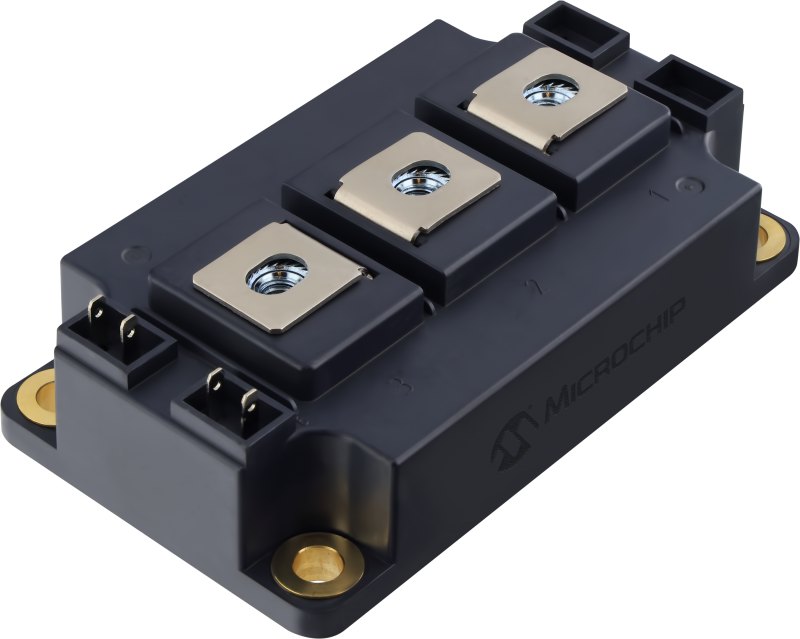
HV-D3 mSiC® Power Modules
HV-D3 power modules enable high-voltage SST architectures with support up to 3.3 kV, which reduces component count and simplifies system design. Optimized for low switching losses and high thermal performance, these modules deliver high efficiency and power density for multi-megawatt SST systems and advanced medium-voltage DC power distribution applications.
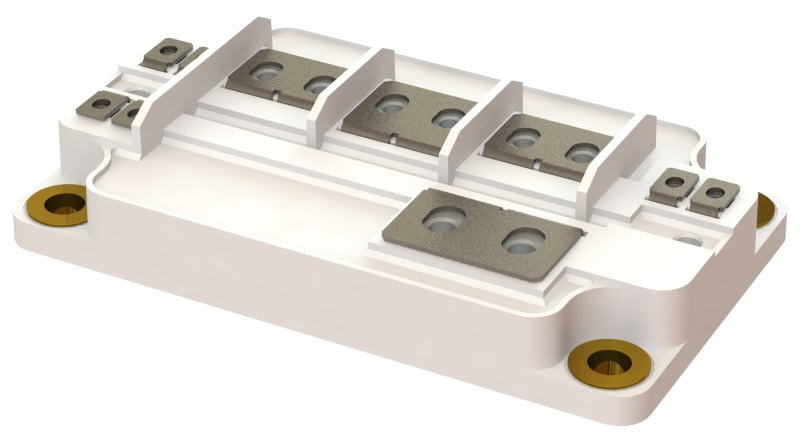
SP6 mSiC Power Modules
SP6 mSiC power modules provide low-inductance, high-performance switching for SST power conversion stages using 700V to 1200V SiC devices. Designed for high-frequency operation, these modules enable efficient AC-DC and DC-DC conversion, which improves power density, reduces losses and supports scalable SST architectures in high-power AI data center applications.
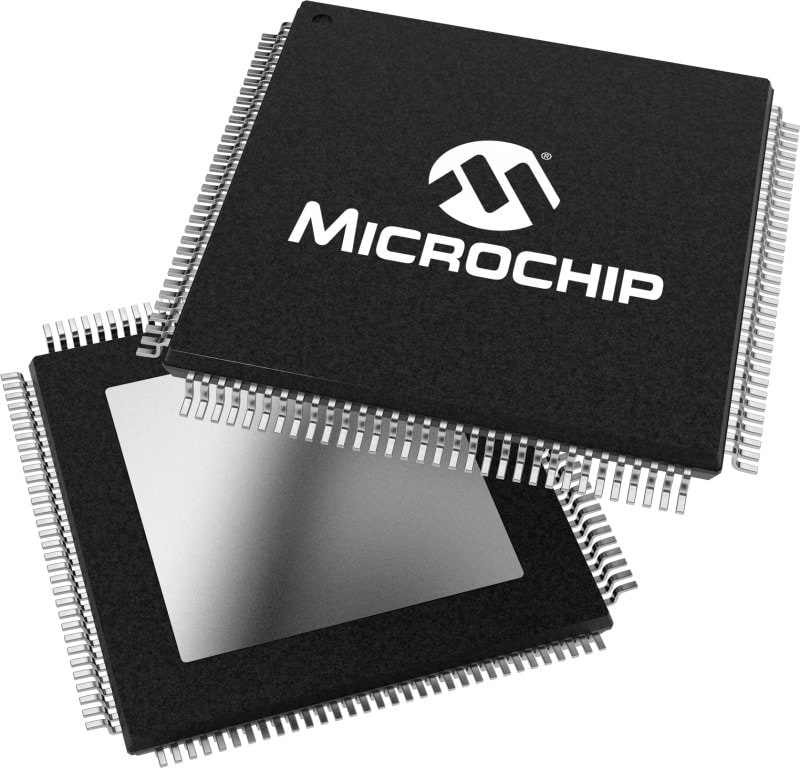
dsPIC33A Digital Signal Controllers (DSCs)
These DSCs provide high-performance, real-time digital control for SST architectures. Optimized for power conversion, these DSCs enable precise control of AC-DC and DC-DC stages, which supports high-speed control loops, system monitoring and advanced algorithms to improve efficiency, stability and overall SST system performance in AI data centers.
MPLAB® SiC Power Simulator
This SiC design tool lets engineers simulate mSiC® MOSFET and module performance to analyze electrical and thermal behavior for more accurate power system design.

SPICE/PLECS Component Models
These SiC SPICE and PLECS models enable detailed simulation of the electrical and thermal characteristics commonly found in our mSiC devices.

SiC Reference Designs and Evaluation Tools
Our range of SiC hardware tools, including reference designs and evaluation boards, enable rapid prototyping and validation of high-power conversion stages to help you evaluate switching performance, thermal behavior and system efficiency, while reducing development risk and accelerating time to market for SST-based architectures.