
HV-D3 mSiC® Power Modules
High-Voltage, High-Efficiency Silicon Carbide (SiC) Power Modules for Demanding Applications
Key Advantages of HV-D3 mSiC Modules
High-Efficiency Power Conversion
The mSiC MOSFETs in these modules exhibit low switching and conduction losses. This improves overall system efficiency, reduces heat generation and enables higher switching frequencies.
High-Voltage and -Current Capability
These SiC modules support high‑voltage operation of up to 3.3 kV and deliver robust current capability for reliable, high‑power conversion in demanding industrial and energy systems.
Compact, Integrated Module Form
By integrating multiple switches and diodes into a single package with standardized terminals, these modules offer simplified assembly and a more compact and reliable solution compared to discrete device implementations.
Superior Thermal Performance
These modules have a thermal design with silicon nitride (Si3N4) substrate, including low junction-to-case thermal resistance and high junction temperature, to support higher power density and less-aggressive cooling requirements.
Enhanced Switching Performance
SiC technology supports fast switching transitions with minimal reverse recovery effects, which enables smaller, passive components and potentially lowers system weight and cost.
Robust High-Voltage Isolation
These reliable modules are designed for high-voltage applications, with 6 kV insulation, Comparative Tracking Index 600 (CTI 600) case and robust Si3N4 substrate that offer high dielectric strength and creepage distances.
Design Flexibility
These HV‑D3 modules are available in half-bridge and common source configurations and are well-suited for two and multi-level converters.
Improved System Reliability
SiC devices inherently offer better avalanche ruggedness, thermal stability and tolerance to voltage stress, which contributes to longer service life and fewer field failures.
Available HV-D3 Module Topologies
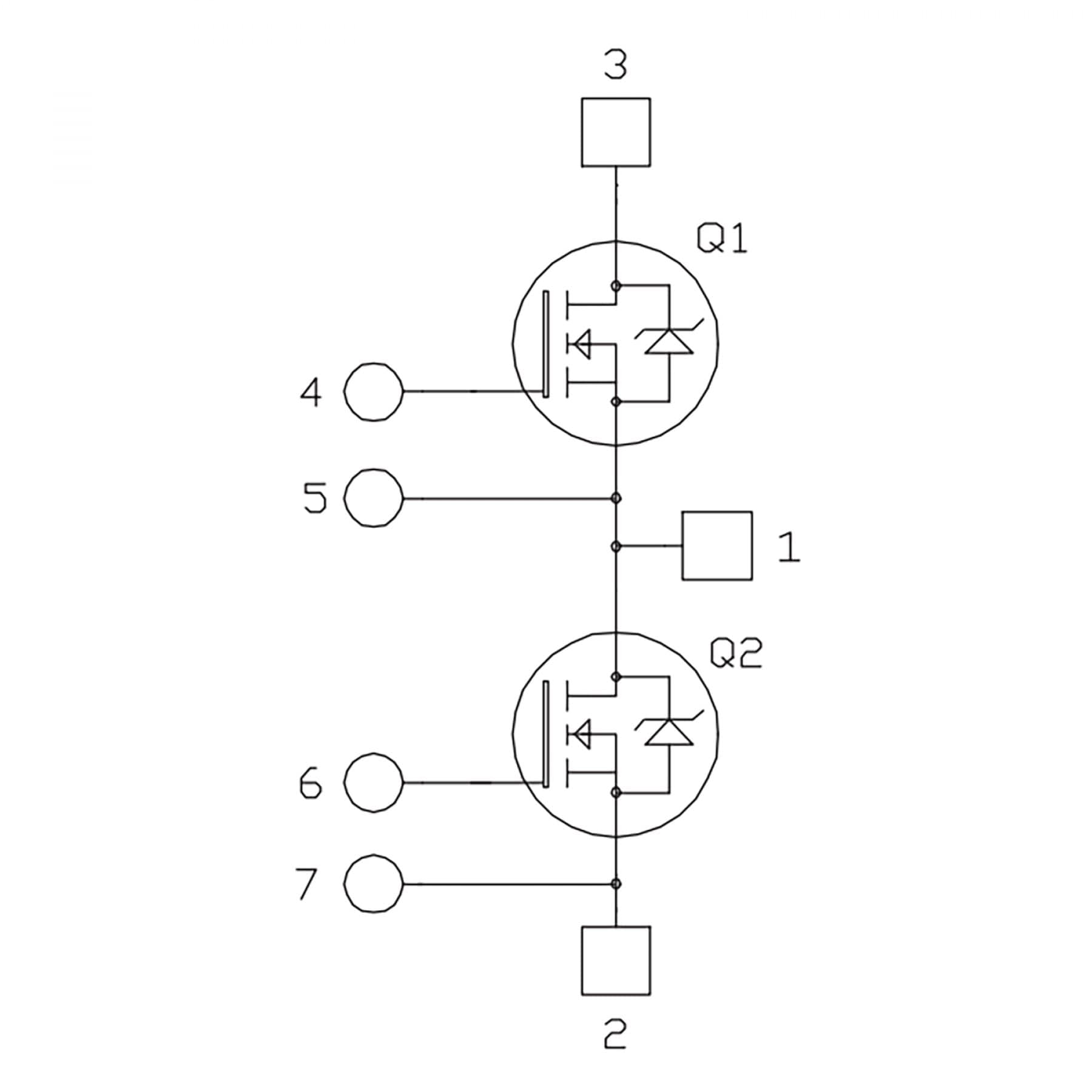
Phase Leg
A phase-leg module topology integrates two power switches in a half-bridge configuration, with a high-side and low-side device connected to a shared output node. This topology is commonly used as a building block for single-phase and three-phase inverters, motor drives and power conversion stages where bidirectional current flow and efficient switching are required.
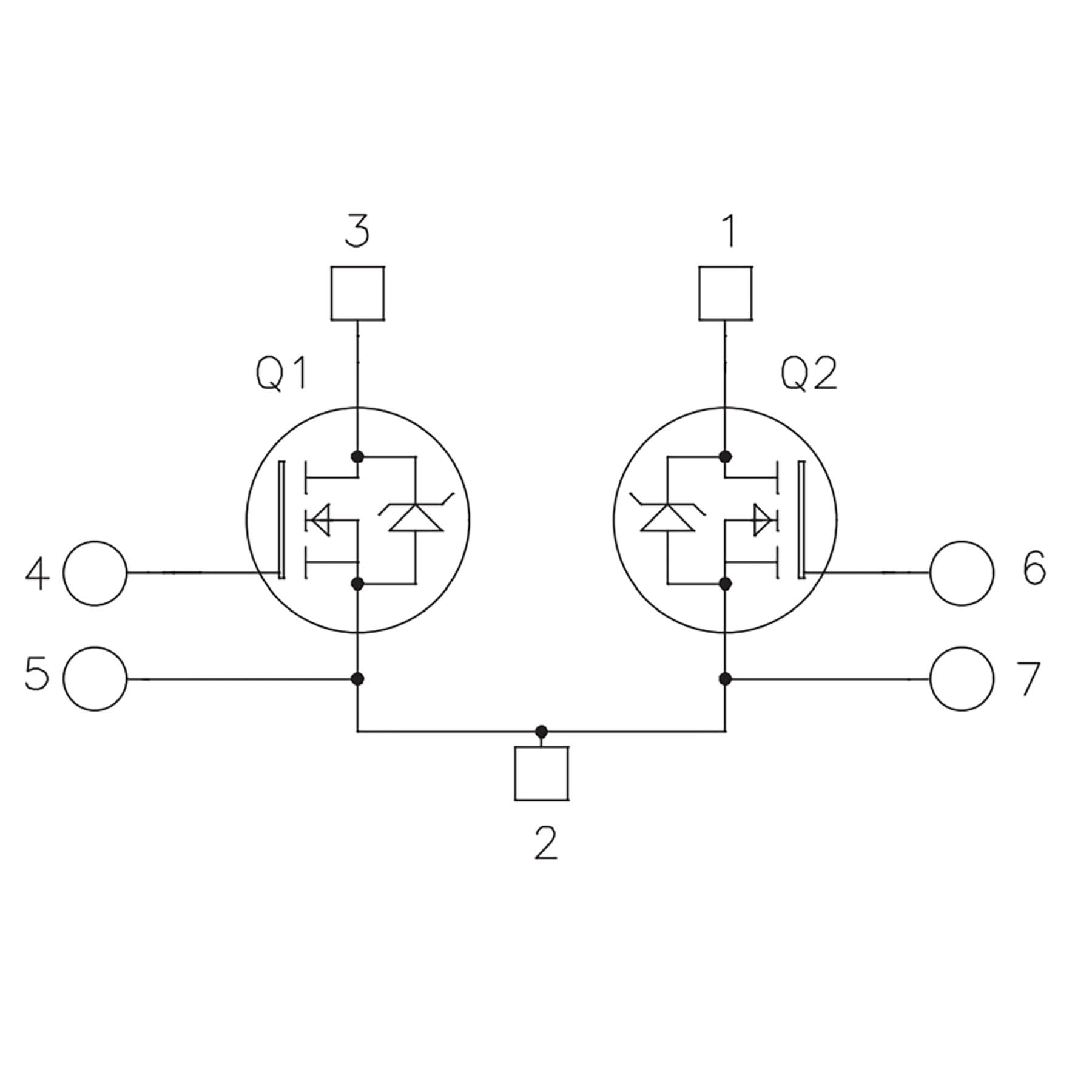
Dual Common Source
A dual, common-source module topology integrates two power MOSFETs that share a common source connection to provide independent drain terminals. This configuration offers greater flexibility for certain converter architectures, simplifies current sensing and gate drive referencing and is often used in applications such as DC-DC converters, multi-level topologies and specialized inverter designs where control and layout optimization are priorities.
Featured Products
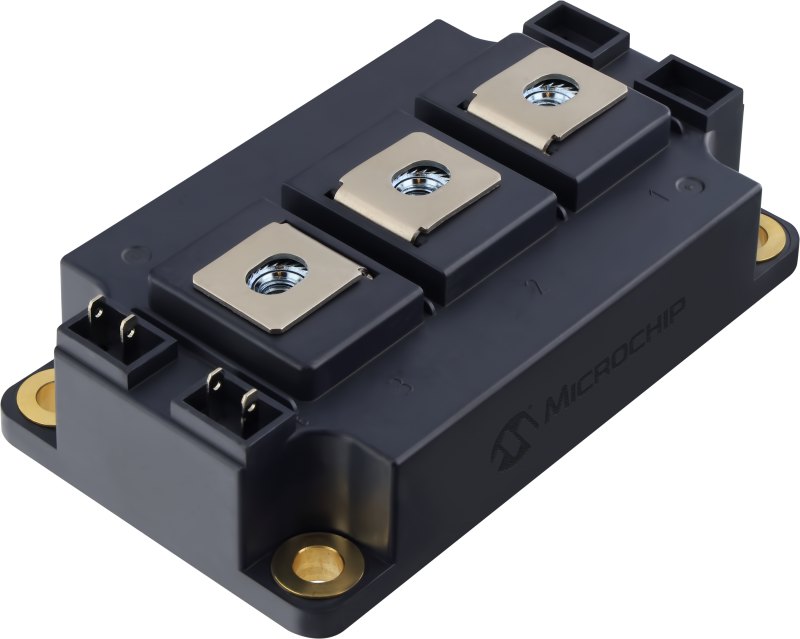
MSCSM330AM07CD3NG
- 3.3 kV SiC MOSFET phase‑leg power module
- High‑current variant: up to 234A
- 6.8 mΩ RDS(on) (typical)
- Phase-leg topology integrates high-voltage switching with low inductance paths
- Integrated SiC Schottky diodes (zero reverse recovery)
- HV‑D3 package with Kelvin source and Si₃N₄ substrate
MSCSM330AM15D3NG
- 3.3 kV SiC MOSFET phase‑leg power module
- Lower current/higher resistance option: 120A
- 13.5 mΩ RDS(on) (typical)
- Optimized for higher switching speed and lower gate charge
- Phase-leg topology integrates high-voltage switching with low inductance paths
- HV‑D3 package with copper baseplate and Kelvin source
MSCSM330DUM07CD3NG
- 3.3 kV, dual, common‑source SiC MOSFET power module
- High‑current capability: up to 234A
- RDS(on): ~6.8 mΩ (typical)
- Dual common‑source topology enables flexible converter and protection designs
- HV‑D3 package with Si₃N₄ substrate for high reliability
Applications

Power Transmission and Distribution
- Medium-voltage DC-DC converters
- Solid-State Transformers (SSTs)
- High-voltage power supplies

Industrial Power
- High-power Variable Frequency Drives (VFDs)
- Pumps, compressors and large industrial machinery

Data Centers
- Solid-State Transformers (SSTs)
- Uninterruptable Power Supply (UPS) systems
- Medium‑voltage power planes and direct distribution
- Centralized AC‑DC conversion

Marine and Aerospace
- Electric propulsion systems for ships and aircraft
- High-voltage auxiliary power units

Electric Vehicle (EV) Infrastructure
- Fast DC charging stations
- High-voltage onboard chargers for commercial vehicles

Renewable Energy Systems
- Solar, central inverters and string inverters
- Wind turbine converters
- Energy Storage Systems (ESS) and grid-tied inverters