
From Grid-Scale Power to Efficient Rack-Level Delivery
Why High-Voltage DC Matters
High-voltage DC distribution reduces the current for a given power level, minimizes power losses and significantly lowers copper requirements across the system. This approach supports the shift to megawatt-scale racks by improving efficiency, reducing infrastructure size and enabling more scalable data center architectures.
Fewer Conversion Stages, Higher Efficiency
Modern data center architectures are moving away from multi-stage AC power chains toward simplified conversion paths that reduce unnecessary AC‑DC and DC‑DC stages. This enables you to reduce energy losses, improve reliability and eliminate common points of failure across the power infrastructure.

Evolving Power Architecture for AI Data Centers
Traditional architectures rely on multiple conversion stages and low-voltage distribution, which increases system complexity, losses and infrastructure requirements. Emerging high-voltage DC architectures centralize conversion, reduce component count and enable more efficient, high-density power delivery, from the grid to the rack.
Power Density Driving System Design
AI workloads are rapidly increasing rack-level power from tens of kilowatts to megawatt-class systems, making power delivery a primary constraint in modern data center design. Higher-voltage architectures and advanced power conversion technologies are critical to supporting this growth while maintaining efficiency, scalability and system reliability.
Critical Systems for Power Delivery and System Stability
- Solid-State Transformer
- Circuit Protection
- Uninterruptible Power Supply
- Board-Level Power
- Cooling System
Solid-State Transformers (SSTs) enable direct conversion from medium-voltage AC to regulated high-voltage DC, which reduces the number of conversion stages and improves overall system efficiency. By operating at higher switching frequencies, SST architectures reduce transformer size and weight while enabling advanced control, scalability and more flexible power distribution for next-generation data centers.

Advanced circuit protection solutions provide fast, reliable fault detection and isolation to safeguard high-power DC distribution systems. By replacing or augmenting traditional protection methods with electronic solutions, designers can improve response time, reduce system stress and simplify protection architectures in high-density power environments.

These critical power systems enable continuous operation during grid disturbances by providing instantaneous backup power and seamless transfer to alternative energy sources. Modern high-efficiency UPS architectures reduce conversion losses and integrate more effectively with AC distribution systems, improving overall system reliability and performance.

As AI data centers scale toward higher rack power levels, the efficiency and architecture of DC‑DC conversion have become central to reliable power delivery. Modern rack‑based power systems increasingly rely on high‑voltage or intermediate DC buses, such as 400V or 48V, to reduce distribution losses, placing greater importance on high‑efficiency, high‑density DC‑DC converters at the rack and board level. These converters must deliver precise regulation, fast transient response and robust thermal performance while minimizing conversion stages. Advances in wide‑bandgap devices, digital control and integrated power modules are enabling scalable DC‑DC solutions that improve end‑to‑end efficiency, simplify power architectures and support the evolving demands of AI infrastructure.

Liquid and air cooling solutions are critical for managing the thermal demands of high-density compute and power conversion systems. As power levels increase, efficient thermal management becomes essential to maintain device reliability, enable higher power density and support the transition to more compact and scalable data center architectures.

Data Center Power Distribution System Architecture
The system architecture highlights the complete power delivery path, from the medium-voltage grid to the data center rack, illustrating each conversion stage required to efficiently transfer and regulate power. From front-end AC‑DC conversion to high-voltage distribution to the rack, this block diagram provides a clear view of how modern data centers optimize efficiency, scalability and power density across the entire infrastructure.

Optimize Next-Generation AI Data Center Power Efficiency With SiC
AI and hyperscale data centers are driving a shift toward more efficient power architectures, as traditional AC-based systems introduce multiple conversion stages and energy losses that limit scalability. Silicon carbide technology enables higher efficiency power conversion, improved reliability and support for 400V and 800V DC rack distribution, helping reduce losses and simplify infrastructure. Learn how SiC is enabling next-generation data center power.

Key Products for Data Center Power Distribution
We deliver a complete portfolio of technologies to support every stage of data center power conversion. This breadth enables designers to source critical components from a single provider while simplifying system integration and accelerating development.

3.3 kV HV-D3 mSiC® Power Modules
These power modules enable high‑voltage conversion up to 3.3 kV, supporting efficient medium‑voltage to DC architectures with fewer power stages. Their integrated design and high-isolation capability improve system robustness and scalability.
mSiC Discrete MOSFETs
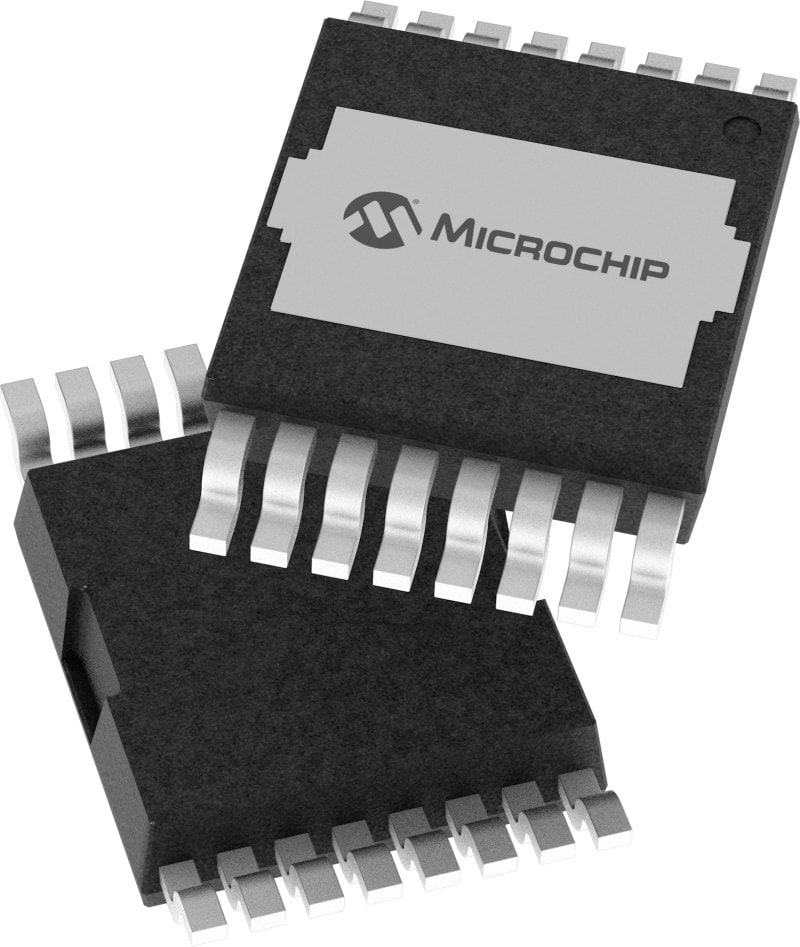
Discrete MOSFETs deliver fast switching and low losses, enabling higher operating frequencies and improved conversion efficiency. Their flexibility supports optimized topologies and compact, high-performance system designs.
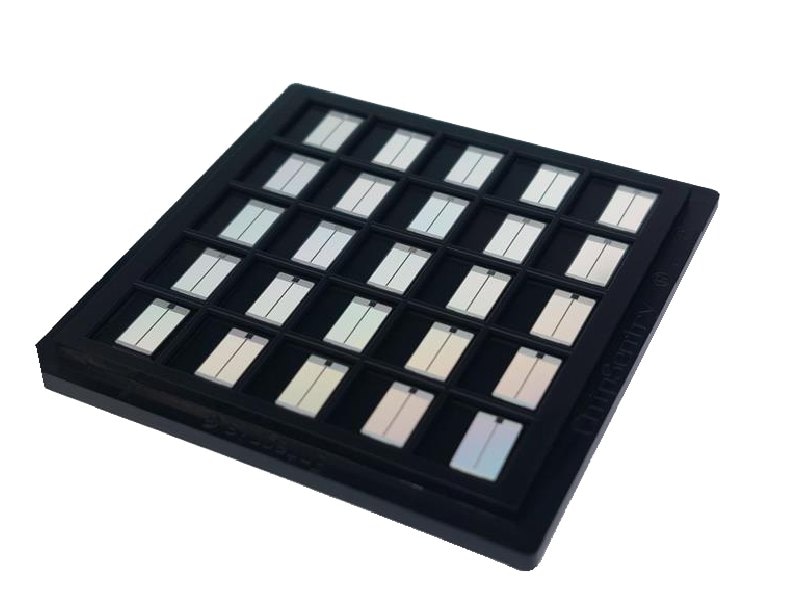
mSiC Bare Die MOSFETs
SiC bare die MOSFETs provide maximum design flexibility for custom power modules and high-power assemblies. They enable optimized electrical and thermal performance for advanced, application-specific data center power architectures.
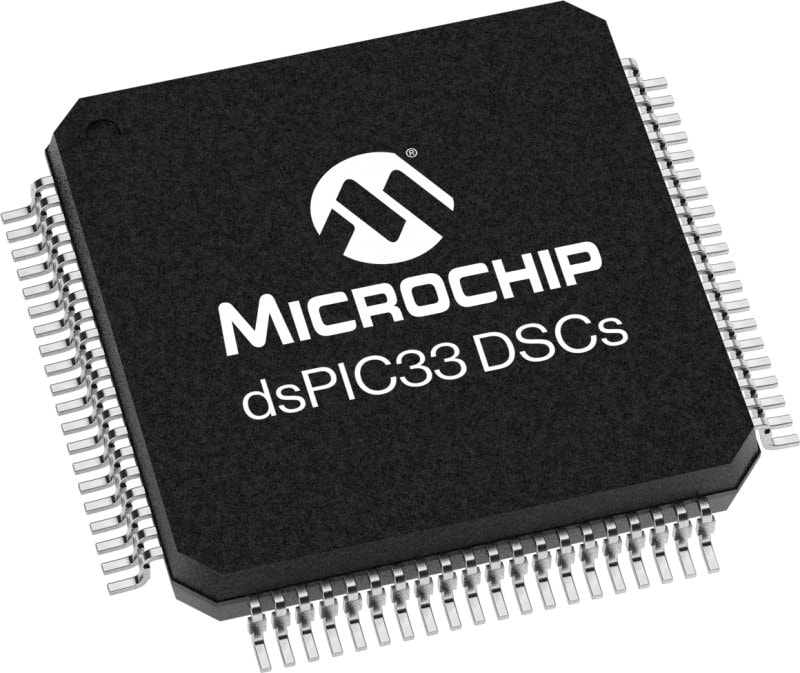
dsPIC33AK Digital Signal Controllers (DSCs)
These controllers provide real-time digital control for power conversion, enabling precise regulation and fast dynamic response. Their advanced control capabilities help optimize efficiency and system performance across complex power stages.
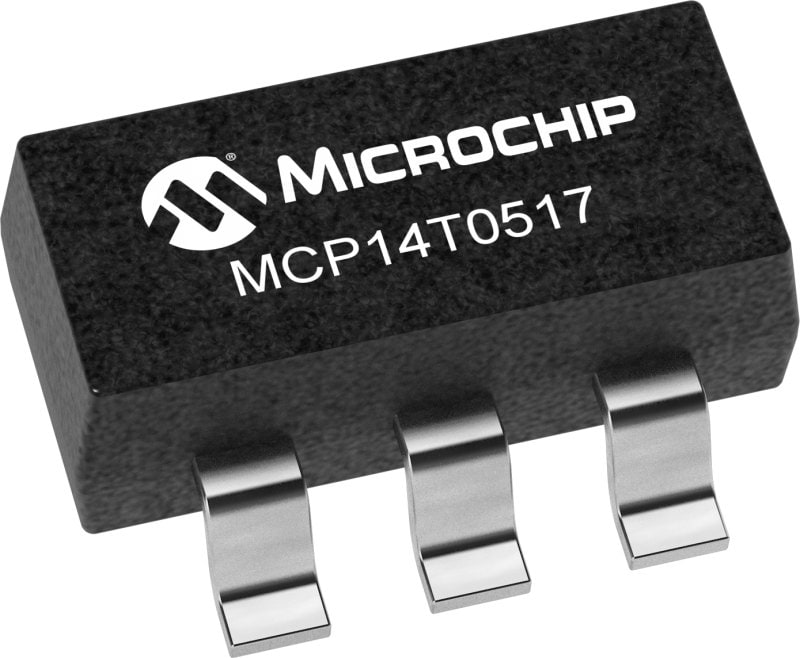
MCP14T Isolated Bias and Transformer Drivers
Isolated bias supplies for high-side gate drivers enable reliable operation of SiC switching devices in high-voltage power stages. These push-pull transformer drivers generate stable, isolated power to simply system design and support efficient, high-performance switching.
Key Products for Data Center UPS Applications


Design and Development Resources

MPLAB® SiC Power Simulator
This SiC design tool lets engineers simulate mSiC® MOSFET and module performance to analyze electrical and thermal behavior for more accurate power system design.

SPICE/PLECS Component Models
These SPICE and PLECS SiC models enable detailed simulation of the electrical and thermal characteristics commonly found in our mSiC devices.

Reference Designs
Reference designs provide validated hardware platforms that demonstrate proven power conversion topologies, helping accelerate development and reduce design risk.