
Atomic System Clocks
Enabling Highly Precise and Reliable Time Keeping for a Variety of Industries
Featured Products
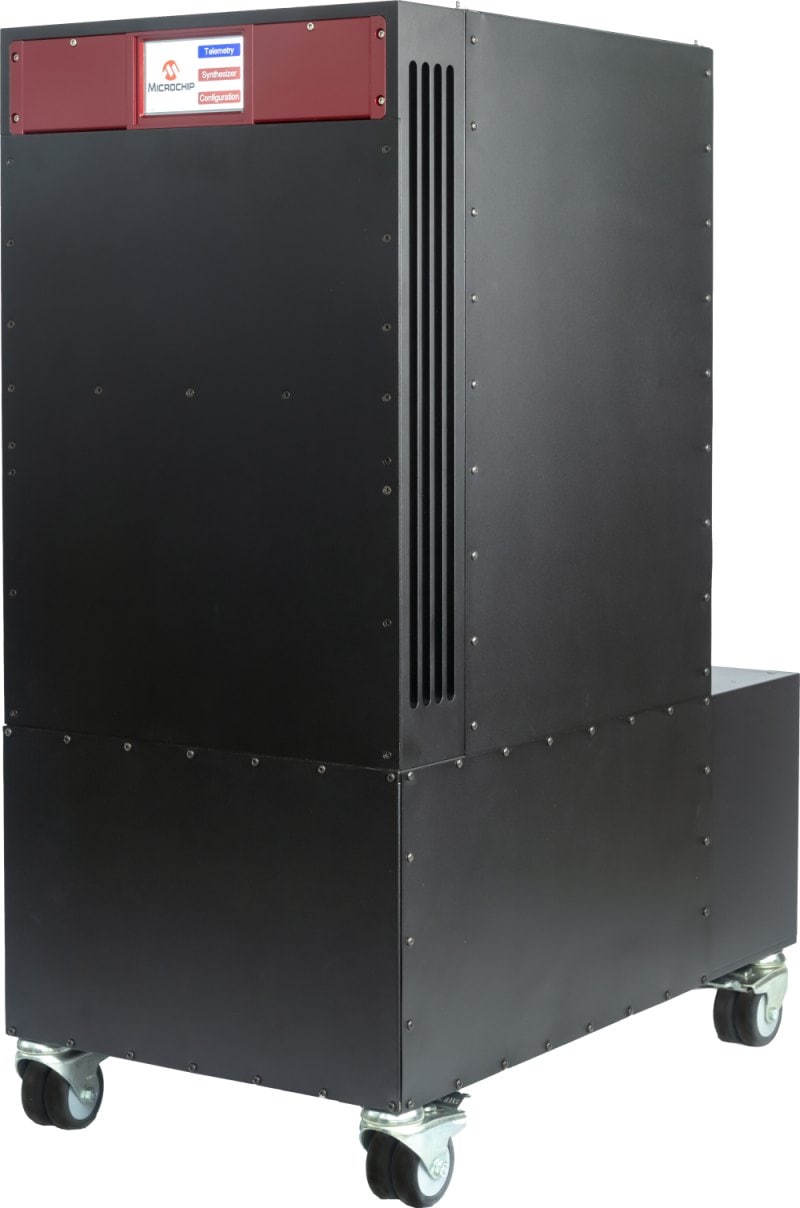
Hydrogen Maser
- Most stable commerically available clock
- < 8.5E-14 ADEV @ 1s tau
- Auto tune and drift compensation software for aging < 3E-16 per day
- > 20 years of operation at nominal hydrogen flux
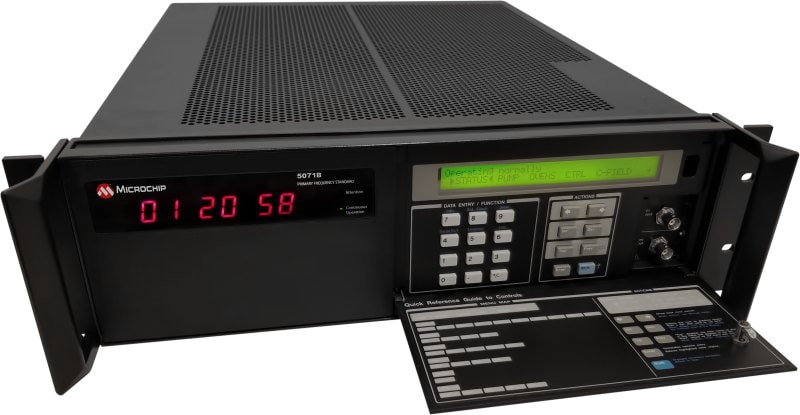
Cesium References
- Primary frequency references requiring no calibration
- < 5E-13 frequency accuracy
- No long-term frequency drift
- Telecom models for ePRTC applications
- External 1 PPS disciplining
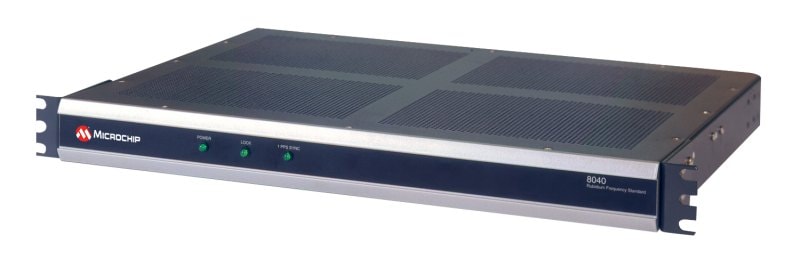
Rubidium Instrument
- 1U rack mount rubidium instrument with up to 12 configurable outputs
- < 5E-11 monthly aging
- Standard and low-noise options
- External 1 PPS disciplining
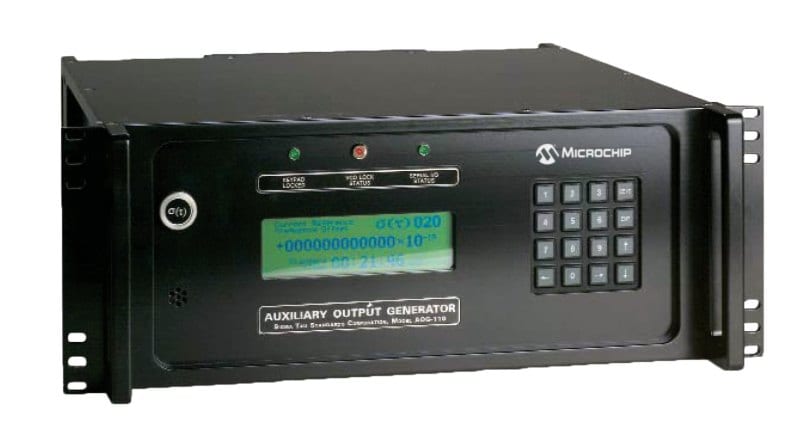
Auxiliary Output Generator
- Generates high-resolution frequency and phase offset for use with hydrogen masers
- Steers output to UTC without detuning the hydrogen maser cavity
- 1E-19 resolution over 5E-8 range
Choosing the Correct Atomic System Clock
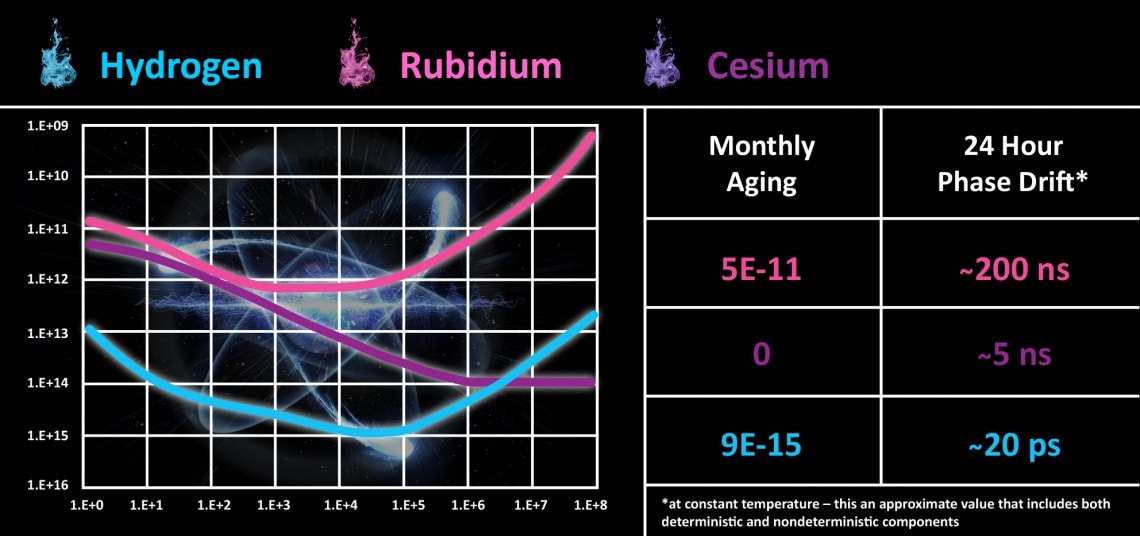
Principle of Operation
Applications

Metrology and Time Keeping
- Cesium references and hydrogen masers
- Turnkey timescale solutions
- Create UTC-traceable time with your atomic clocks

Radio Astronomy
Hydrogen masers for Very Long Baseline Interferometry (VLBI) to synchronize globally distributed antennas and provide unprecedented resolution of deep space

GNSS Ground Station
Hydrogen masers and cesium references to generate stable time bases at the Position, Navigation and Time (PNT) cores that are distributed to users and determine location accuracy

Defense
- Clocks for extended frequency and phase holdover in GNSS-denied environments
- Low Allan deviation rubidium instruments for Satcom applications

Data Centers
Cesium and rubidium products that minimize clock uncertainties across globally distributed applications to increase transaction speed, efficiency and data integrity

Telecommunications
- Stratum 1 time and frequency references for network cores
- Cesium references that enable continuous operation during GNSS outages
- ITU G.811.1 and 8272.1 compliance
Design Help
- Client Support Team
- Sales Representatives
- Support Portal
Need Help Choosing a Product for Your Design?
Our Client Support team is here to support you. Use the link below to schedule a call with a member of our team, use our live chat widget in the bottom right corner or submit a question for assistance and we will follow up with you as soon as possible.

Find Local Sales and Support
We have an extensive network of highly trained clock and timing experts. Go to our listing to locate a sales and support representative in your country.

Access Our Support Portal
Visit our Frequency and Time Systems support portal to download technical documents and other resources, enter support tickets or open RMA service requests.