
Global Problems, Programmable Solutions
In partnership with DigiKey, we present the PolarFire FPGA Design Contest 2026, a global platform for engineers, students, and innovators to turn their ideas into real hardware solutions.
Build at the intersection of AI acceleration, edge computing, robotics, and embedded intelligence using PolarFire FPGA platforms. Showcase your creativity, prove technical mastery and compete globally for prizes and recognition as you help shape the future of intelligent systems.
Turn your ideas into real-world solutions and compete for exciting prizes.
Problem Statement
Guidelines and Resources
|
Title
|
Date
|
|---|---|
| PolarFire FPGA Design Contest 2026 Offical Rules | 08 Oct 2026 |
| Privacy Notice for the PolarFire® FPGA Design Contest | 07 Aug 2026 |
Contest Tracks
Each proposal must be submitted under exactly one track. Tracks are defined by the distinct hardware capabilities of the required development kit, rather than by industry application, so teams need to choose based on the technical direction of their design.
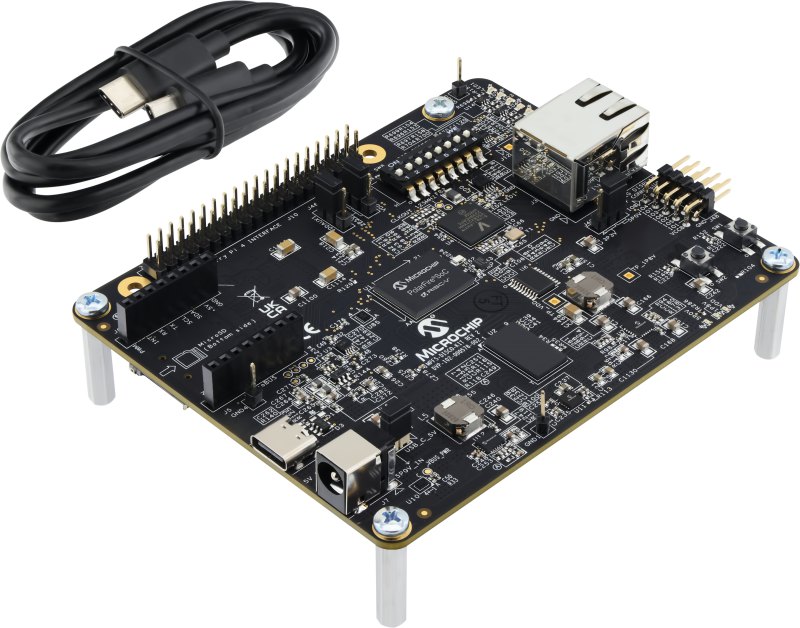
Track 1: Compact Edge Systems Using PolarFire® SoC Discovery Kit
PolarFire SoC board with quad-core RISC-V® + monitor core, 95K logic elements, MIPI CSI-2® camera connector, mikroBUS™ and 40-pin GPIO headers, and single USB Type-C® for power/debug and microSD™ boot that is best suited for lightweight, embedded Linux®; camera/vision projects and rapid, low-cost prototyping
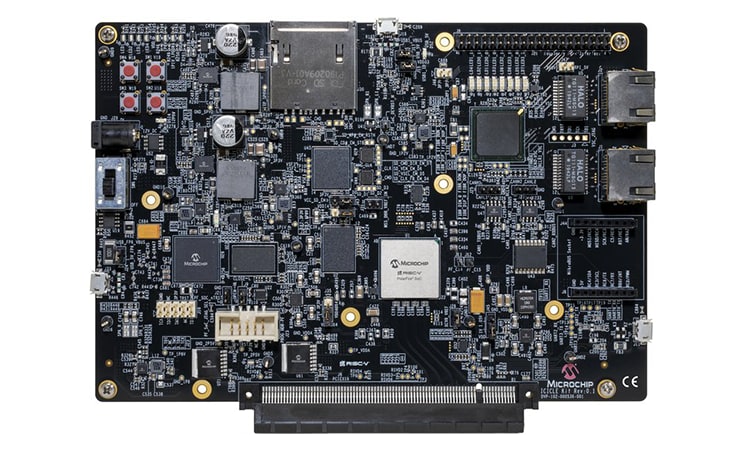
Track 2: Connected Real-Time Systems Using PolarFire SoC Icicle Kit
PolarFire SoC board with a five-core RISC-V cluster, 254K logic elements, LPDDR4, eMMC storage, PCIe® root port, dual Ethernet, on-board power monitoring and expansion headers that is best suited for richer, connectivity-heavy, real-time or AI/ML-capable, embedded Linux systems
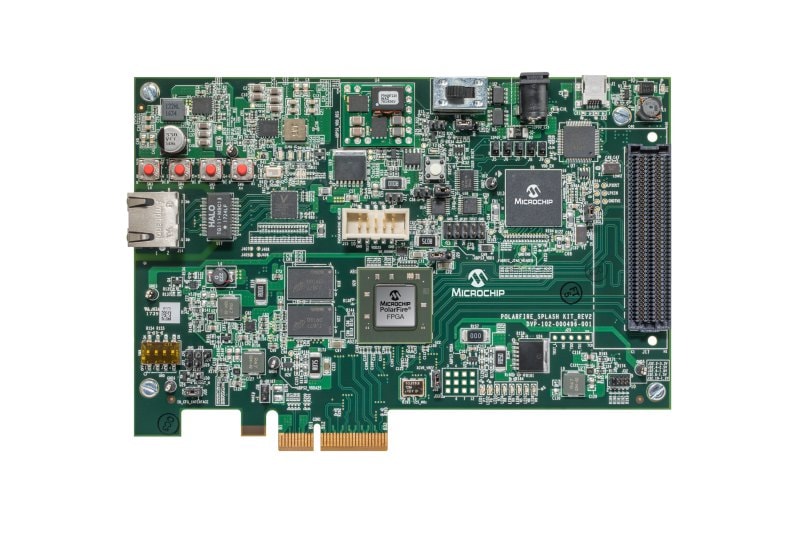
Track 3: High-Speed Fabric Systems Using PolarFire Splash Kit
Pure FPGA fabric board (no hard CPU); 300K logic elements; PCIe x4 Gen 1/Gen 2 edge connector, 12.7 Gbps SerDes transceivers, DDR4 and SPI-Flash memory, hardened security/crypto IP, on-board power measurement that is best suited for high-speed I/O, signal processing or security/crypto-focused fabric designs
Awards
All finalists will receive a Certificate of Excellence in recognition of their outstanding innovation and technical skill.
Each track will have a Winner and Runner-Up, selected based on design quality, innovation, and performance metrics.
💰 Top Honors
Grand Winner: $2,000
Runner-Up: $1,000
- Best overall innovation across all tracks: $1,000

Meet the Judges

Keith Rowe
Keith Rowe is a principal field applications engineer specializing in Field-Programmable Gate Array (FPGA) and FPGA System-on-Chip (SoC) solutions at Microchip Technology Inc., where he also contributes to the company’s Artificial Intelligence/Machine Learning (AI/ML) Special Interest Group. Keith is passionate about the broad possibilities of programmable design and the creativity engineers bring to solving complex problems. As a judge for this inaugural FPGA Design Challenge, he looks forward to seeing the unique solutions participants bring to life.

Y. C. Wang
Y.C. Wang supports the convergence of industry, maker and academia through the DigiKey Academic Program. His passion is to build the next generation of Electrical and Computer Engineering (ECE) innovators in the industry. He believes that hands-on hardware skills are valuable for engineers to acquire early in their ECE education. Y.C. brings more than a decade of experience in semiconductor companies, particularly within the FPGA industry and has deep connections with academic institutions across the globe.
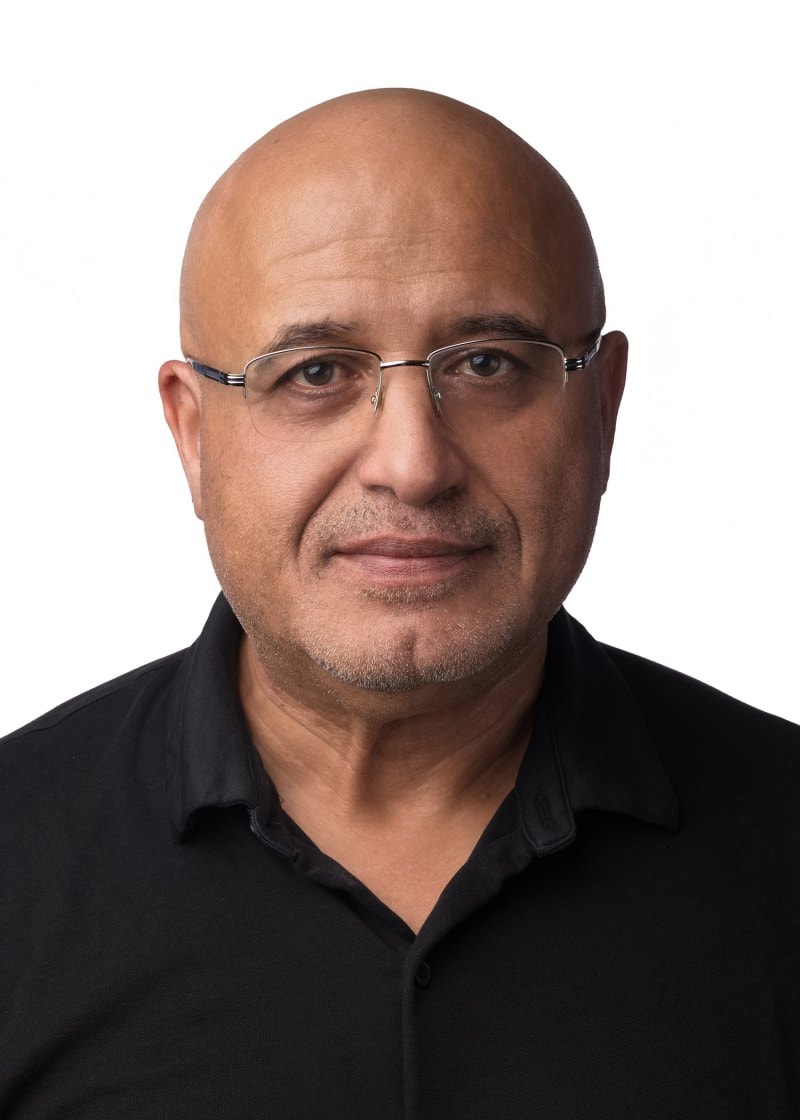
Hani Ahmad Assi
Hani Ahmad Assi is a senior technical staff engineer at our Academic Program. He holds a PhD in Electrical Engineering from ASU and has over 20 years of industry experience in PMIC and mixed-signal design and telecommunications, as well as 8 years of academic experience. He has authored several publications in international journals and conferences and holds multiple granted and pending US patents. His research interests include PMIC design, analog/mixed-signal circuit design, SoC FPGA, edge AI, machine learning and cybersecurity.

Divipala Basava Rajesh
Divipala Basava Rajesh is a staff engineer at Microchip Technology India and is responsible for product marketing of Libero® SoC, FPGA design tools, IP cores and licensing solutions. He brings extensive experience in FPGA technologies, tools and customer applications.
Previously, he was a field application engineer at Avnet India, supporting AMD (formerly Xilinx) FPGAs and Electronic Design Automatino (EDA) tools across aerospace and defense, industrial and education sectors.

Dhruv Aggarwal
Dhruv Aggarwal is a Senior ASIC Design Engineer at NVIDIA® with extensive experience in semiconductor and hardware engineering. His expertise spans RTL and microarchitecture design; video and image processing; hardware acceleration; and performance, power and area optimization. He holds a master’s degree in Electrical Engineering from Columbia University, where his work included VLSI hardware design, digital image processing, parallel computing and mixed-signal circuit design. His technical interests include GPUs, signal processing, video and image processing, and hardware-efficient computing.
Explore Our FPGAs

PolarFire® SoC Discovery Kit
The PolarFire SoC Discovery Kit is a low-cost, open-source development kit powered by a quad-core, RISC-V application-class processor. This device supports Linux® and real-time applications, a rich set of peripherals and 95K low-power, high-performance FPGA logic elements.

PolarFire® SoC Icicle Kit
This low-cost development platform is an excellent solution for evaluating the five-core RISC-V microprocessor subsystem with its innovative Linux® OS support, real-time execution and low-power capabilities, along the rich set of peripherals available on the PolarFire SoC FPGA.
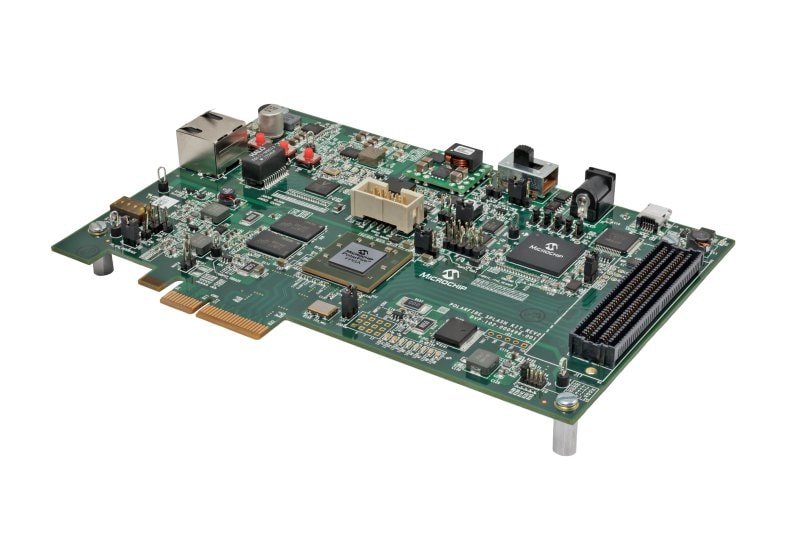
PolarFire® Splash Kit
This kit enables general-purpose evaluation and development for the PolarFire FPGA. The kit includes Gigabit Ethernet RJ45, PCIe®, USB and LPC FMC connectors and a PolarFire 300K LE FPGA with onboard DDR4 and SPI Flash memory.
Organizers

PolarFire FPGA Design Contest

PolarFire FPGA Design Contest
For any questions or support, email us at fpgacontesthelp@microchip.com.