How Do Ventilators Work?
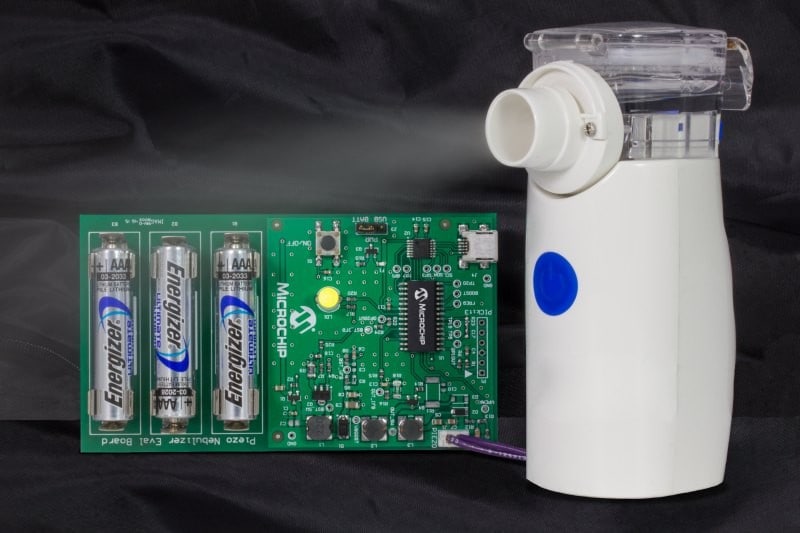
Ventilators are respiratory regulation devices. They help relieve stress on injured or weakened lungs and help in oxygenation by sending a mixture of gases into the lungs. These gases, usually air and oxygen, are put under positive pressure to assist in inhalation and, if necessary, negative pressure to pull air out for exhalation. This ventilator design incorporates flow sensors, temperature sensors, a nebulizer and a humidifier to ensure the necessary amount of air is administered under proper conditions.
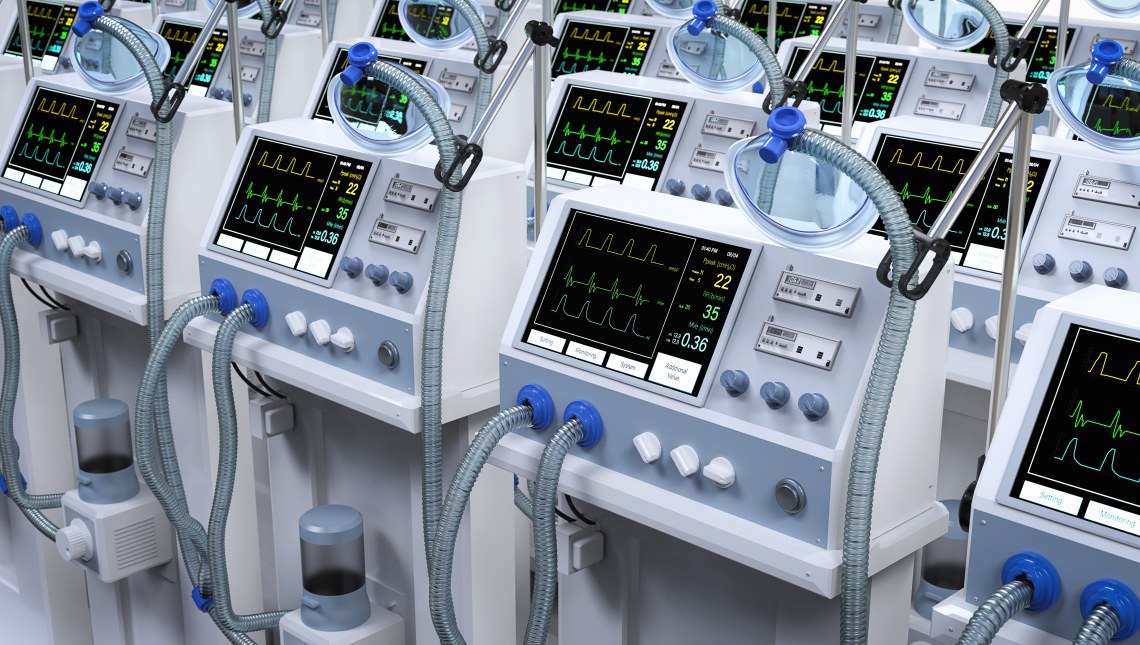
Medical Respiratory Motor Control with Real Time Graphical Display
Our Respiratory Equipment Demo provides core functions and components of the BLDC motor drive solution and closed-loop control mechanisms for CPAP and ventilator applications.
The demo showcases different modes to put air/gas into a patient based on the following fundamental principles and parameters:
- Pressure: Inflate user to a certain pressure
- Volume: Put a certain amount of volume into user
- Respiratory Rate: Number of breaths per minute
- Flow Rate: Motor RPM speed
- Time: Inhalation and exhalation time length
- Ramp Rate: Get the pressure/volume slowly or quickly
The demo uses a flow and pressure sensor to monitor flow and pressure and controls a BLDC motor to maintain the target flow, pressure or volume.
Functional Block Diagram
Considerations for Ventilator Designs
Resources
Integrated Graphics and Touch Kit
Low-Voltage Motor Control
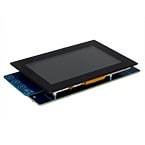
Display Module with maXTouch® Technology
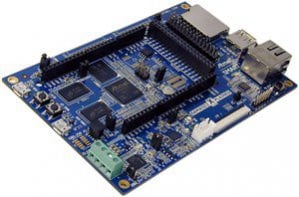
MPU Prototyping and Evaluation
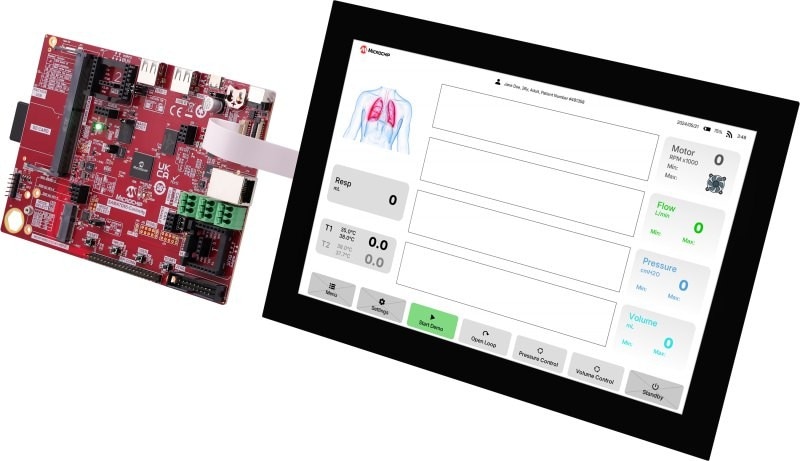
High-Resolution-Display With HMI for Ventilator CPAP Machine Demonstration Application
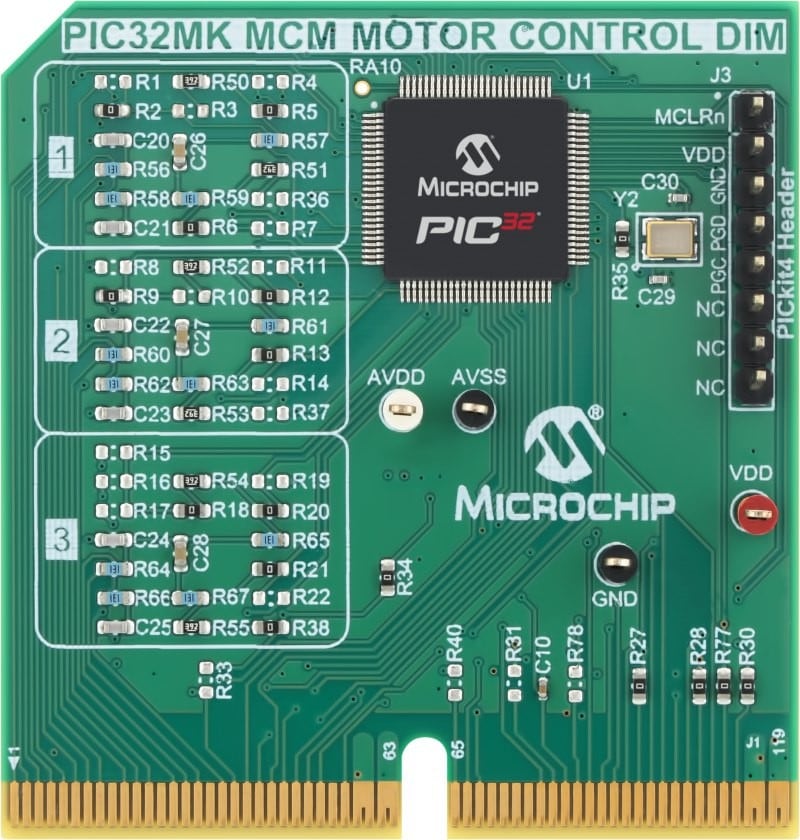
BLDC Motor Control With Graphical User Interface for CPAP and BiPAP Respiratory Equipment Demonstration Application
Expand Your Ventilator Design with a Vibrating Piezoelectric Nebulizer
Our products can help you combine nebulizer drug delivery with medical ventilator technology to promote rapid and effective healing.