
How Robotics Innovation Is Moving From Automation to Autonomy
Key changes as robotics design enters a new phase.
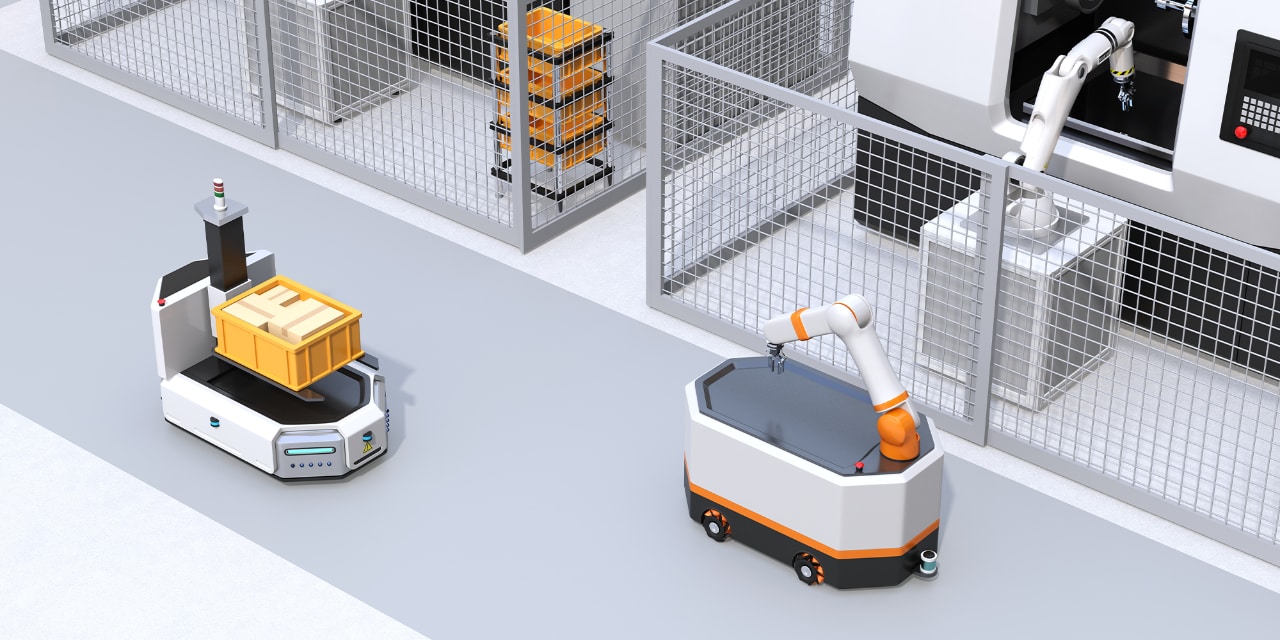
Robotics is entering a new phase. The most valuable robots are no longer defined only by payload, speed or repeatability; they are increasingly judged by how well they perceive their environment, make decisions at the edge, coordinate with other machines and operate safely around people. Across factories, warehouses, hospitals, agriculture, energy and service environments, robotics innovation is being shaped by five major trends: AI-enabled perception, collaborative operation, autonomous mobility, deterministic connectivity and energy-efficient motion control.
For robot OEMs and system integrators, these trends create a clear technical challenge: deliver more intelligence, more precision and more connectivity without increasing power consumption, thermal load, system complexity or cybersecurity risk. This challenge can be addressed with semiconductor technology including microcontrollers, digital signal controllers, microprocessors, FPGAs and SoC FPGAs, motor control, Ethernet and EtherCAT connectivity, timing, power management, analog, security and development tools.
What Is Changing in Robotics?
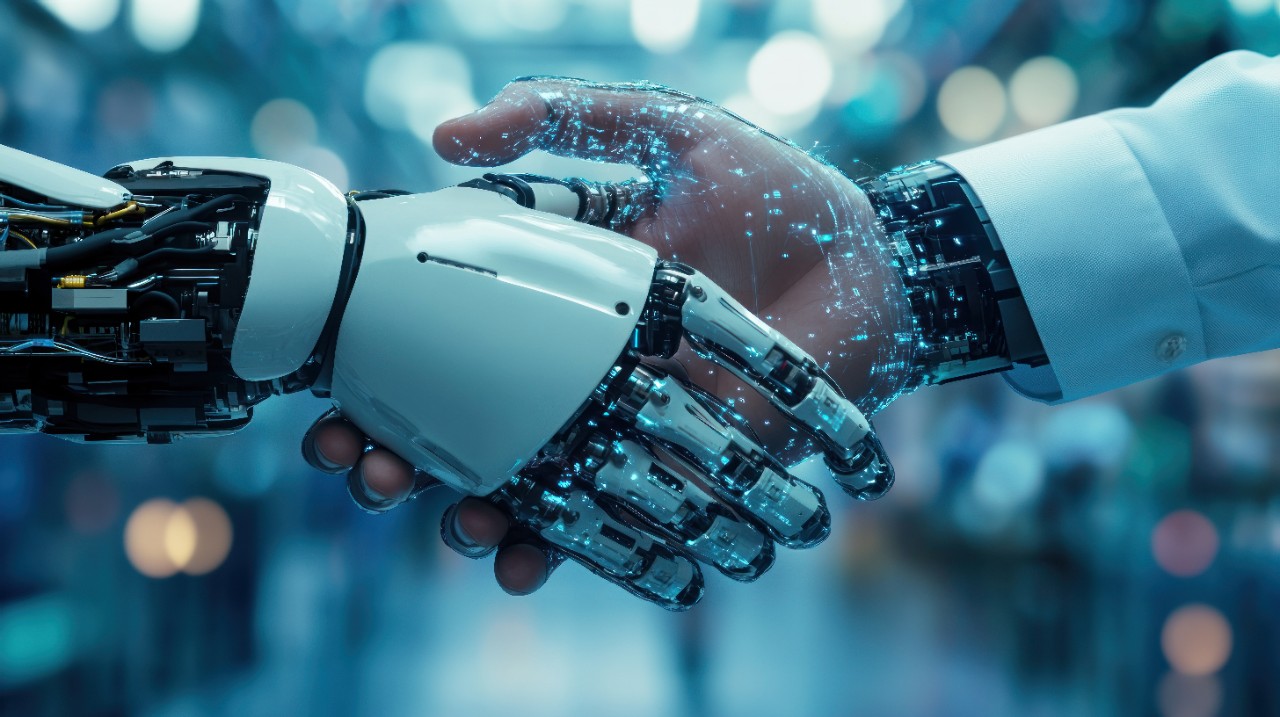
- Robots are becoming more intelligent at the edge. AI and machine learning are moving closer to the robot, enabling real-time inspection, object recognition, navigation and predictive maintenance. Instead of sending every decision to the cloud, robots increasingly need local processing that is fast, deterministic and power efficient.
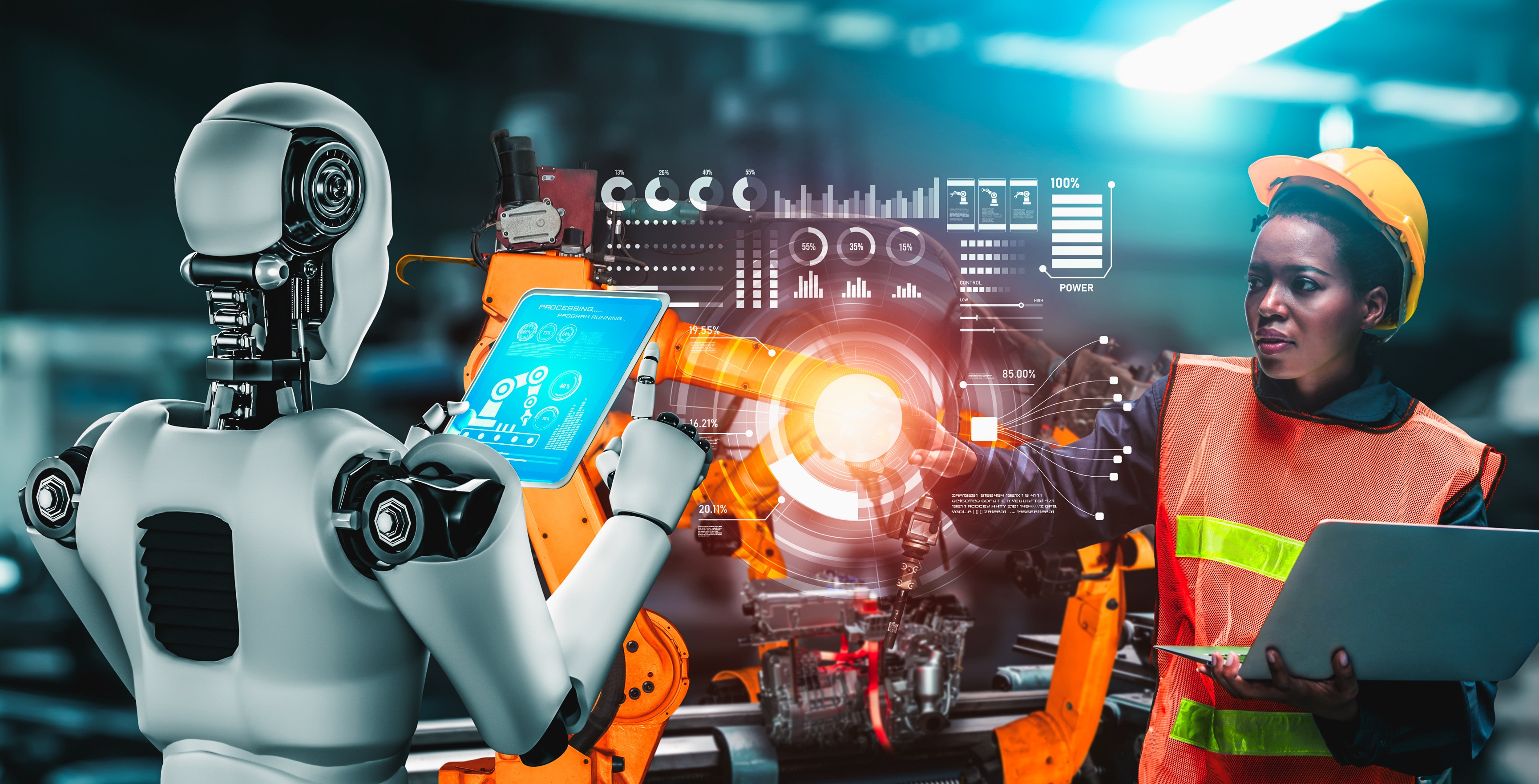
- Human-robot collaboration is expanding. Collaborative robots and mobile platforms are being deployed in dynamic environments where safety, functional integrity and precise motion control are essential. These systems must combine responsive control loops, redundant sensing, secure communications and predictable behavior.
 |
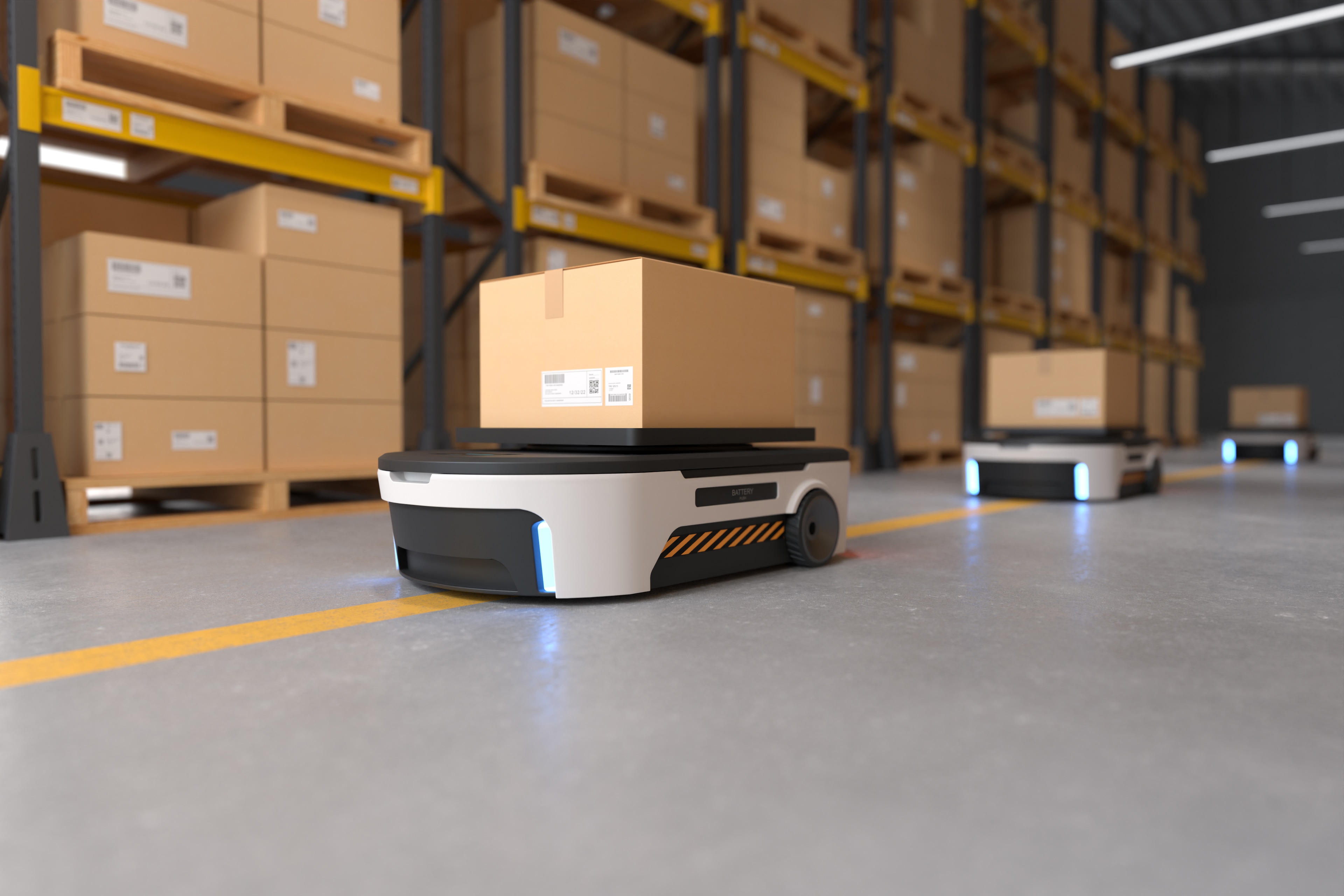
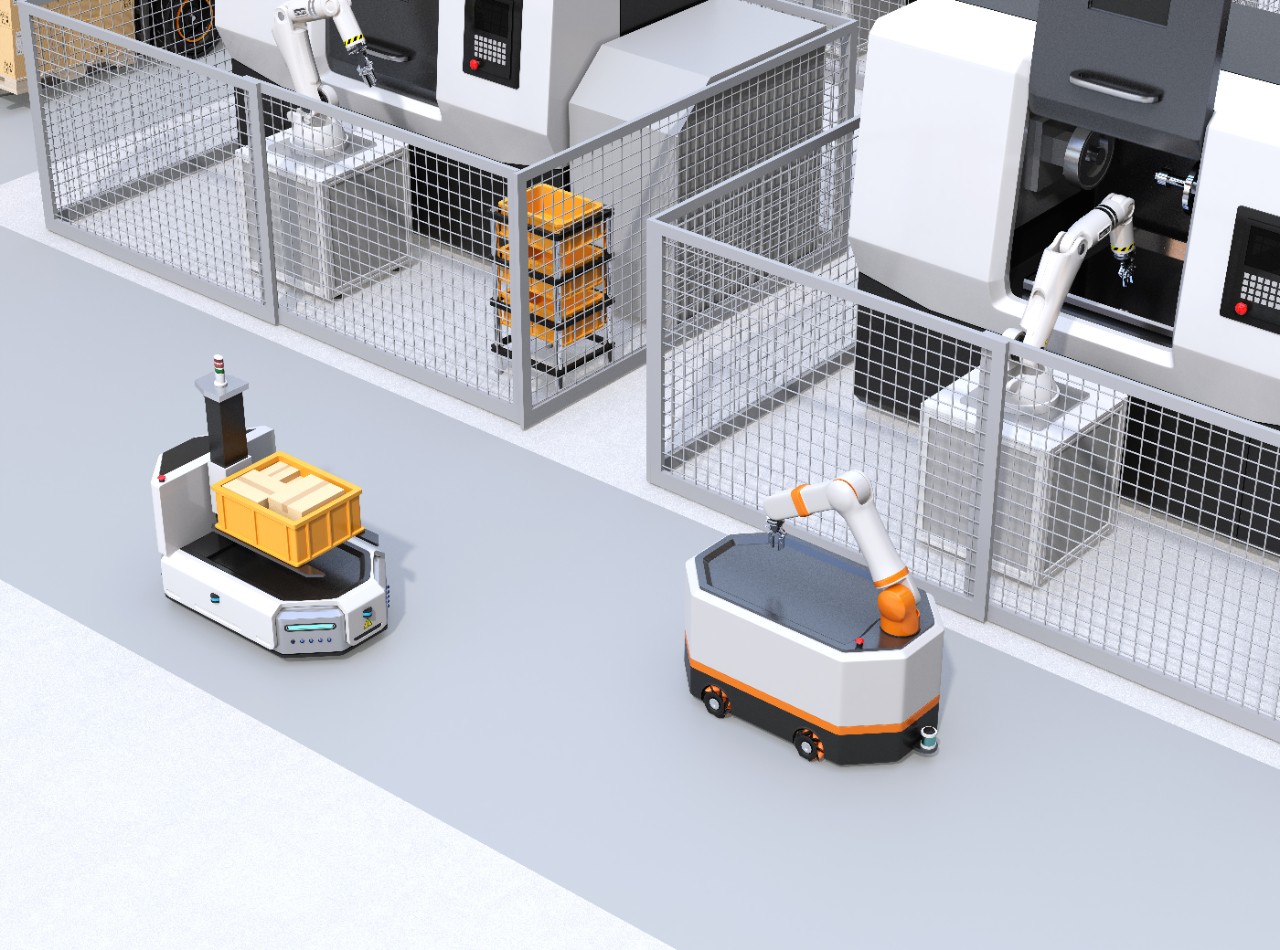
- Autonomous mobile robots are scaling. Warehouses, hospitals and factories are adopting autonomous mobile robots to transport goods, support staff and improve throughput. AMRs depend on sensor fusion, low-latency networking, reliable battery management and robust embedded control.
 |
- Deterministic networking is becoming a design requirement. As robots become part of larger automation cells, they must synchronize motion, sensing and safety data across motors, controllers, cameras and PLCs. Industrial Ethernet, EtherCAT and Time-Sensitive Networking help provide the low latency, synchronization and reliability these systems require.
- Efficiency and sustainability matter more. Robotics designers are under pressure to reduce energy use, heat dissipation and system footprint. Efficient motor control, optimized power conversion and low-power processing can improve battery life, reduce cooling requirements and support more compact mechanical designs.
Applying Technology to these Changes
Perception and Edge Intelligence
Smart robots need to interpret camera, sensor and control data quickly. PolarFire® FPGAs and SoC FPGAs support power-efficient acceleration for vision and AI workloads while maintaining deterministic behavior for real-time tasks. For robotics teams building compact systems, this helps reduce latency and thermal load while supporting advanced perception use cases such as inspection, navigation and object handling.
Motion Control and Actuation
Motion remains the heart of robotics. From robotic arms to mobile platforms, customers need accurate, responsive and efficient control of BLDC, PMSM, stepper and multi-axis systems. Scalable MCUs, dsPIC® digital signal controllers, FPGA-based motor control IP, motor drivers, gate drivers and development tools can be utilized to accelerate prototyping and production design.
Deterministic Connectivity
As robots connect into production lines and fleets, network timing becomes critical. EtherCAT device controllers, PHYs and integrated MCU options help developers build real-time industrial communication into robotic systems. For synchronized control environments, TSN-capable FPGA platforms and precision timing solutions support predictable communication between controllers, drives, sensors and higher-level automation systems.
Security, Safety and Lifecycle Confidence
Connected robots are operational assets, and they must be protected. Secure boot, hardware-based authentication, FOTA (Firmware Over-The-Air) updates, PQR (Post-Quantum-Ready) root of trust controllers, secure manufacturing approaches and functional safety support help customers reduce risk from firmware tampering, unauthorized access and unsafe system behavior. Long product lifecycles and broad technical resources will mitigate support risks for industrial robotics platforms that may remain in service for many years.
Conclusion: Designing the Robots That Industry Needs Next
The next wave of robotics will be defined by machines that can sense, decide, move and connect with greater autonomy and precision. Achieving that requires more than a powerful processor or a single communication interface. It requires a dependable embedded foundation that brings intelligence, motion, connectivity, power and security together.
To explore Microchip technologies for robotics, connect with a Microchip representative or visit the robotics, motor control, FPGA and industrial Ethernet solution pages on the Microchip website.