
ASA-ML: Why Automotive Camera Connectivity Needed a New Standard
Modern vehicles rely on growing numbers of cameras for safety, driver monitoring and automation. This post explains why traditional camera connections are reaching their limits and how ASA‑ML was created to support the next generation of automotive systems.
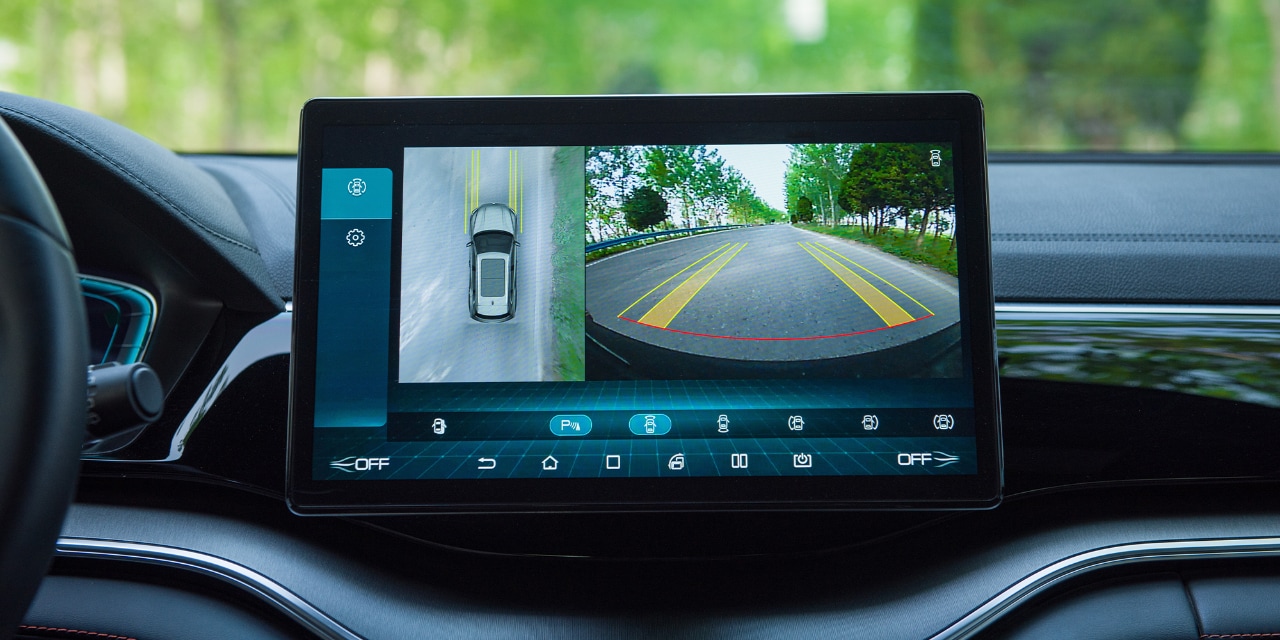
Camera Connectivity Is No Longer a Peripheral Problem
Automotive cameras began as a single‑purpose safety feature. Today, they sit at the center of ADAS, driver monitoring and automated driving system architectures. This shift has exposed a fundamental challenge: the way cameras are connected matters as much as the cameras themselves.
Early camera links were designed for isolated, point‑to‑point use cases. Modern vehicles, however, are integrating multiple cameras operating at multi‑gigabit data rates, often distributed across the vehicle. As a result, connectivity choices increasingly influence system scalability, sourcing flexibility, thermal behaviour and long‑term platform viability.
This is the backdrop against which the Automotive SerDes Alliance (ASA) introduced ASA‑ML, an open, asymmetric SerDes standard built specifically for automotive sensor and display applications.
From Rear‑View Cameras to Sensor‑Dense Architectures
The first wide deployment of automotive cameras focused on rear‑view systems designed to improve driver safety and convenience. These cameras were typically connected directly to a local ECU using proprietary links optimized for that single function.
As confidence in camera‑based sensing grew, new use cases followed:
- Surround‑view systems for parking assistance
- Driver monitoring cameras for fatigue and distraction detection
- Multi‑camera ADAS configurations supporting functions such as lane departure and blind‑spot monitoring
Each new use case added not just cameras, but aggregate data rate, architectural complexity and integration pressure.
The Limits of Proprietary Camera Links
Historically, proprietary SerDes technologies were used to transport video data from camera modules to processing ECUs. These solutions typically employed frequency‑division duplexing (FDD), transmitting upstream and downstream data simultaneously at different frequencies over coaxial or shielded twisted‑pair cables.
While effective for early deployments, these approaches revealed several system‑level limitations as camera counts increased:
- Limited interoperability, tying OEMs and Tier‑1s to specific vendors
- Inflexible bandwidth allocation, regardless of camera type
- Complex power‑over‑cable implementations, driven by differing upstream and downstream frequencies
Over time, it became clear that incremental improvements to proprietary links would not address these challenges at scale.
Why an Open Standard Became Necessary
The motivation behind ASA‑ML was not simply to define another physical interface. Instead, the goal was to provide:
- An open specification shaped by OEM, Tier‑1 and semiconductor input
- Multi‑vendor interoperability across the ecosystem
- A connectivity framework optimized for automotive environmental constraints and evolving vehicle architectures
ASA’s formation in 2019 provided an opportunity to re‑evaluate every layer of the camera connectivity stack—from duplexing method and modulation through topology and power delivery.
ASA‑ML: A System‑Level Response
Unlike earlier solutions focused solely on point‑to‑point transport, ASA‑ML defines a complete connectivity framework that includes:
- Physical layer
- Data link layer
- Encapsulation of application and control data
- Security
- Precision timing delivery
- This end‑to‑end view enables consistent behaviour across multiple camera types, data rates, and vehicle architectures.
Architectural Scalability Matters
ASA‑ML networks are based on a star topology, where an ECU maintains a point‑to‑point physical connection to each camera or display module. Importantly, the specification also supports evolution toward zonal architectures, where zone controllers aggregate nearby sensors before forwarding data upstream.
This flexibility reflects a broader industry shift toward zonal E/E architectures, enabling:
- Reduced cabling complexity
- Distributed processing closer to the sensor
- Greater architectural headroom for future systems
Connectivity Decisions Have System Consequences
Choices made at the link level influence:
- Thermal behavior at the camera module
- Power delivery complexity
- ECU and switch silicon reuse
- Long‑term sourcing and platform flexibility
- ASA‑ML’s design addresses these issues explicitly, rather than treating connectivity as a narrow physical‑layer concern.
Looking Ahead
As vehicles continue to add cameras and consolidate compute, connectivity becomes an enabler or a constraint at the system level. ASA‑ML represents an industry effort to standardize that foundation in a way that aligns with real automotive requirements.
In the next post in this series, we’ll break down the ASA‑ML protocol stack and explain how its layers work together to support scalable, multi‑vendor camera architectures.
Download the full ASA‑ML Blueprint Tutorial (DS50004072) to explore the architecture, design rationale and system implications in detail.