
What Is Industrial Internet of Things (IIoT)?
Industrial IoT
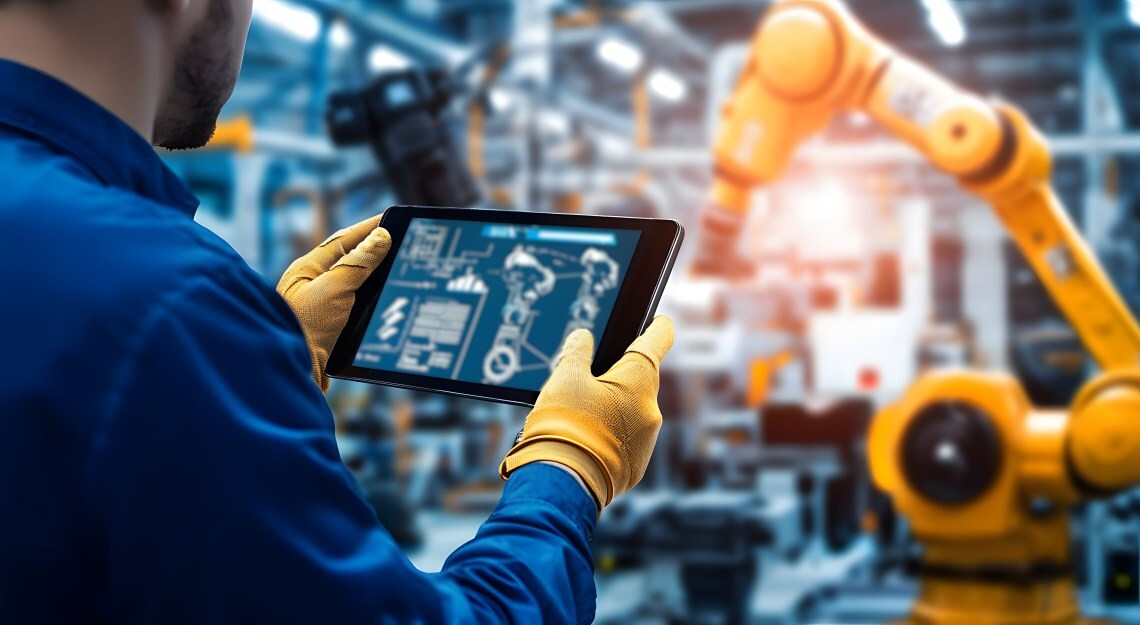
The Industrial Internet of Things (IIoT) refers to the integration of Internet of Things (IoT) into industrial applications. This involves connecting machines, sensors and devices to collect and analyze data, which enables smarter operations and improved efficiency for manufacturers and other industrial sectors. IIoT systems are designed to enhance productivity, safety and decision-making in complex industrial settings.
Key Benefits of Industrial IoT
Implementing IIoT contributes to improved operational efficiency and cost savings for businesses across various sectors. The main benefits include:

Lower Latency
Enable real-time decision-making by processing data at the edge.

Higher Reliability
Enhance system uptime and performance through real-time monitoring and predictive analytics by leveraging IIoT platforms.

Long Product Lifecycles
Extend the operational life of products with proactive maintenance and optimization strategies.
IIoT Security Challenges
Security is a critical aspect of Industrial IoT applications, and it should be built into systems by design, not added as an afterthought. Addressing this involves:
- Built-in security features: Incorporating security at the hardware and software levels to protect against cyber threats
- Compliance with standards: Aligning with cybersecurity standards such as IEC 62443 to enable robust protection

IIoT in Predictive Maintenance
Predictive maintenance leverages Industrial IoT technologies to recommend service at appropriate intervals, thereby avoiding equipment failures and unplanned downtime. This approach enables:
- Real-time monitoring: Continuous assessment of equipment health through sensors and analytics, supporting industrial operations
- Operational savings: Reduction in downtime and maintenance costs through proactive interventions
These capabilities lead to improved operational efficiency and cost savings for businesses.
Edge Computing in IIoT
Edge computing brings data processing closer to the source of data generation, reducing latency and bandwidth usage. It enables:
- Efficient data processing: Local analysis of data for faster decision-making at the industrial edge
- Enhanced reliability: Continued operation even in cases of network disruptions for consistent performance in industrial environments
By integrating edge computing into Industrial IoT applications, organizations can enhance the efficiency and reliability of their operations.
How to Select Industrial IoT Applications for Your Business
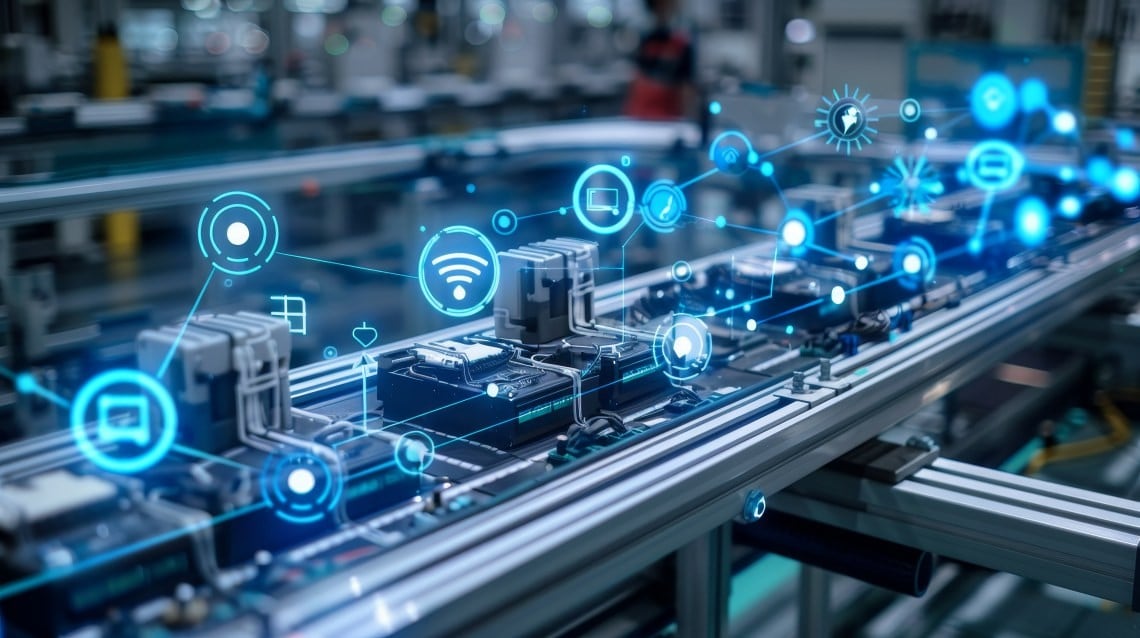
Choosing the right Industrial IoT solution involves considering factors such as:
- Application requirements: Understanding the specific needs of the industrial environment or sector
- Scalability: Enabling the solution to grow with the business and adapt to changing industrial demands
- Security: Selecting solutions with built-in security features to protect data and systems in Industrial IoT applications